













Liverpool City Council has unveiled the first details of a flagship eco-friendly housing scheme at the city’s Festival Gardens site, aiming to transform one of England’s largest brownfield plots into a sustainable riverside neighbourhood.
A report going before the council’s Cabinet next week recommends entering a development agreement with Urban Splash and igloo Regeneration. Selected through a competitive procurement process, the award-winning firms have created a joint venture that proposes 34 different house styles for the landmark site.
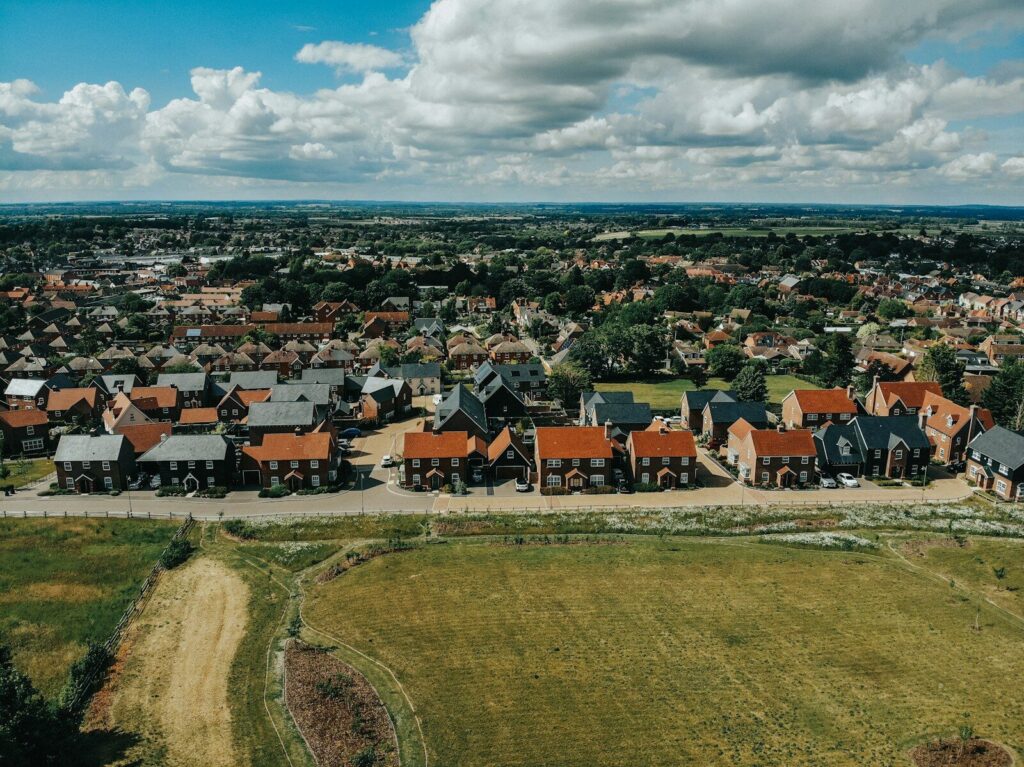
The project is designed as a “festival of housing,” with renewable energy, modern construction techniques, and diverse housing types at its core. Plans include co-housing, social rent, retirement living, mixed-tenure family homes and self-build, ensuring a multi-generational community.
If approved, a planning application for the first phase is expected in late 2026, covering 440 homes, including 80 extra-care and 110 affordable homes – well above the council’s 20% target. Construction could begin in spring 2027, with later phases bringing the total to around 800 homes.
Backed by Homes England and the Liverpool City Region Combined Authority, the scheme builds on extensive remediation of the 27-acre site, where more than 95% of excavated material was recycled. The project follows the creation of a 37-acre park, the city’s first of the 21st century, on land once used as a landfill and later home to the 1984 International Garden Festival.
A major public consultation will precede the planning application, providing detail on community facilities, open spaces, and infrastructure to support the growing population.
Delivery partners include Alpha Living (extra care), Regenda Group (affordable homes), TOWN (co-housing), and Starship (modern methods of construction), alongside Urban Splash and igloo.
Councillor Liam Robinson, Leader of Liverpool City Council, said: ‘We have always wanted to deliver an amazing housing scheme befitting this stunning location. And I think the plans outlined in this report show that the ambition to do something truly special at Festival Gardens can and will be delivered.
‘The team of developers we’re looking to work with have a fabulous track record in delivering outstanding innovative and sustainable projects of the highest order. I can’t wait for our residents to see more details over the coming months and for them to have their input before the planning application is submitted next year.’
Steve Rotheram, Mayor of the Liverpool City Region, said: ‘Festival Gardens has the potential to be one of the most exciting and transformational brownfield developments in the country – and I’m delighted to see it moving forward.
‘This is about more than just bricks and mortar, it’s about building the kind of place that people are proud to call home. We’re laying the foundations for a thriving new neighbourhood that reflects the kind of future we want to build – inclusive, innovative, and with our residents at its heart.’
Jonathan Falkingham, MBE, co-founder of Urban Splash, said: ‘Festival Gardens is one of Liverpool’s biggest opportunities. It’s a huge privilege to have been selected as the city’s development partner on the creation of this new riverside neighbourhood. Our aim is to create a place for everyone and embrace the spirit of the original Garden Festival – showcasing outstanding housing design, innovative landscape strategies for healthier living, and building on the arts and cultural programme initiated 40 years ago.
‘We’re excited to work alongside our partners Alpha Living, Regenda, Town and Starship, together with six of the UK’s leading housing architects, Liverpool City Council, wider stakeholders and the local community to deliver an exemplar project that the city can be proud of, and we look forward to sharing more details of the project in the near future.’
Leave a Reply